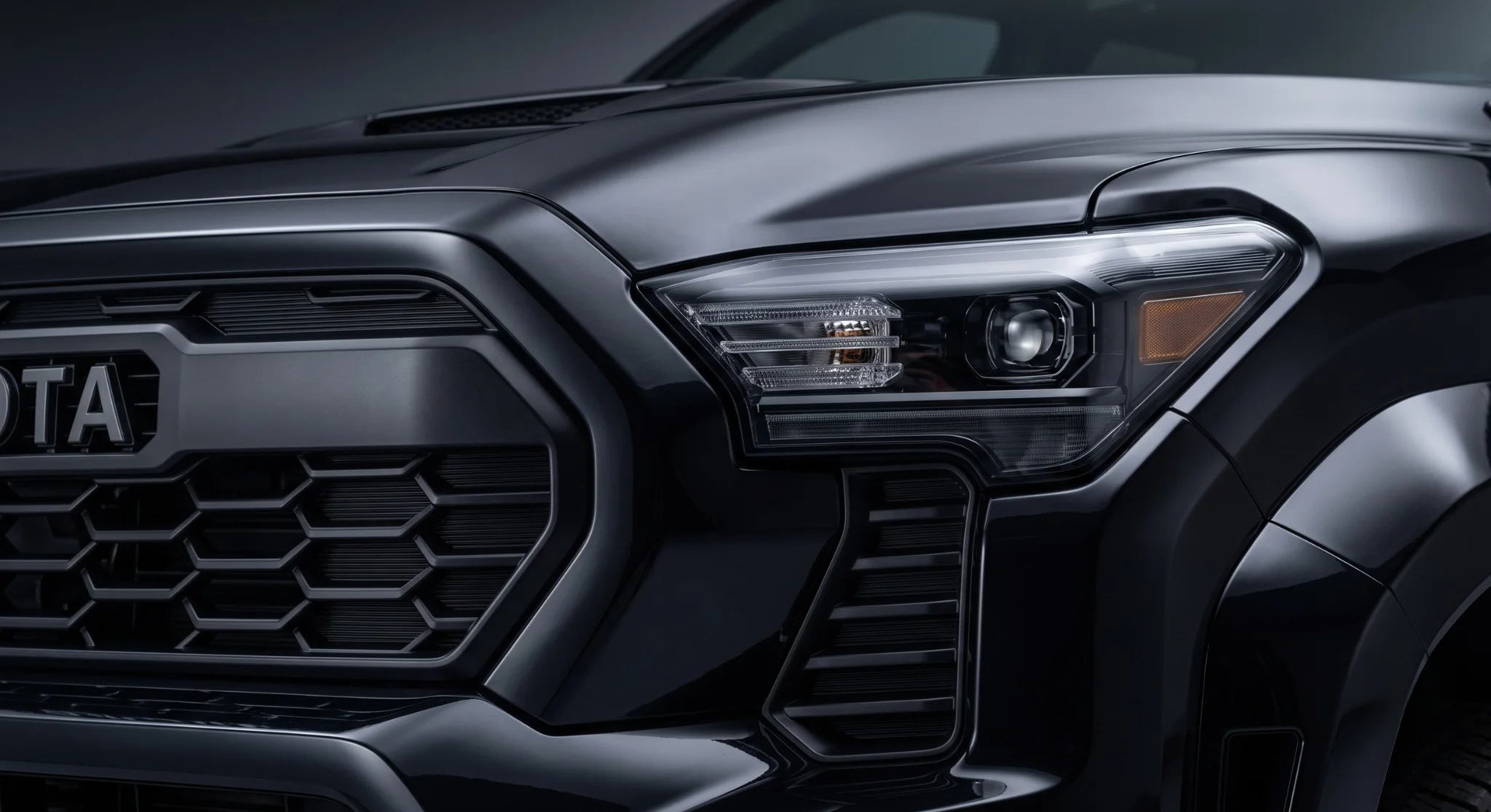
Toyota-Certified Collision Repair in North Hollywood
The Critical Standards of Toyota-Certified Collision Repair in North Hollywood
Restoring a vehicle after an accident takes more than cosmetic work — it demands a return to the exact engineering tolerances set during manufacturing. At North Hollywood Toyota, our team operates as a Toyota Certified Collision Center. Because modern Toyotas use high-strength steel and integrated electronics, a general body shop may lack the proprietary repair information needed for a factory-grade restoration. We follow model-specific repair plans built from Toyota's official repair information, so every weld, fastener, and panel alignment matches the original build.
What Toyota Certification Requires
| Requirement | What it means |
|---|---|
| Ten key areas | Benchmarks spanning technician training, specialized tooling, and customer satisfaction |
| Annual re-qualification | The facility must re-qualify every year to keep its certified status |
| Technician training | Training through the National Institute for Automotive Service Excellence (ASE) and Toyota's Collision Repair & Refinish programs |
| Factory equipment | Factory-approved diagnostic and measuring equipment to find hidden structural damage |
Whether you're coordinating with insurance or simply need a reliable estimate, our collision center on Lankershim Blvd handles complex structural and electronic repairs. For more on what certified status protects, see our guide to Toyota-certified collision protection.
Why Genuine Toyota Parts Matter for Structural Integrity
OEM parts protect crashworthiness, fit, and your warranty.
Does a non-OEM bumper cover really make a difference? For modern vehicle safety, yes. Toyota states that Genuine Parts are built with specific metal properties, thicknesses, and stamping structures designed to perform predictably in a collision — and that non-OEM structural components may compromise crashworthiness and occupant safety. The comparison below covers the factors that matter most after a collision:
Toyota Genuine Parts vs. Aftermarket Parts
| Factor | Toyota Genuine Parts | Aftermarket / Non-OEM Parts |
|---|---|---|
| Engineering & materials | Built to Toyota's specified metal properties, thicknesses, and stamping structures | May use different steel grades, thicknesses, or designs; often built to fit multiple models |
| Crashworthiness | Designed to perform predictably in a collision per factory specifications | Toyota notes non-OEM structural parts may compromise crashworthiness and occupant safety |
| Fit & finish | Engineered to original tolerances | May show wider gaps or inconsistent edges — risk of wind noise, leaks, corrosion |
| Warranty | 12-month parts warranty when installed by an authorized Toyota dealer/certified center | Typically little or no manufacturer-backed warranty |
Genuine Parts installed during your repair carry a 12-month parts warranty, honored at authorized Toyota dealers. Federal law prevents a manufacturer from voiding your warranty simply because an independent shop did the work — but Toyota may deny coverage for a future failure if a non-standard repair or an inferior aftermarket part is found to have caused it. Genuine components remove that ambiguity.
Toyota Factory Warranty Coverage
| Coverage | Term / Mileage | What it covers |
|---|---|---|
| Basic ("bumper-to-bumper") | 36 months / 36,000 miles | Defects in materials and workmanship, excluding wear items |
| Powertrain | 60 months / 60,000 miles | Engine, transmission/transaxle, and drive systems |
| Genuine Parts (dealer-installed) | 12 months / regardless of mileage | Replacement parts installed by an authorized Toyota dealer |
Warranty Disclaimer
This information is provided for general educational purposes only and does not constitute legal advice. Warranty coverage depends on the specific terms of your vehicle's warranty agreement. Consult your owner's manual or a qualified legal professional for guidance on your individual situation.
Your Insurance Rights and Repair Choices in California
You choose where your vehicle is repaired — not your insurer.
Many drivers are surprised to learn they have the final say in where their vehicle is repaired. Under California Insurance Code §758.5 and the state's Auto Body Repair Consumer Bill of Rights, an insurer cannot require you to use a specific shop. Insurers often steer customers toward their Direct Repair Program (DRP) shops to control costs — but the choice of a certified center that prioritizes factory-standard results is yours.
Policies vary on OEM parts; some cover only aftermarket or used components unless the vehicle is within its first year of service. Our team works directly with adjusters to document why a specific Genuine Part is necessary — for instance, when an aftermarket part would interfere with sensor calibration — and provides the transparent, itemized repair orders insurers need. That documentation supports the immediate claim and proves the vehicle was restored to pre-accident condition later on. If you're comparing local options, our overview of an auto body shop near North Hollywood covers what to look for.
⚖ Know Your Rights
Under California Insurance Code §758.5, no insurer can require that your vehicle be repaired at a specific shop. The choice of repair facility is yours.
ADAS Recalibration and Safety System Integrity
Why certified calibration matters after a collision or glass replacement.
Do you really need a full system scan after a minor fender-bender if no warning lights are on? With Toyota Safety Sense, even a small bumper impact or windshield replacement can disturb the radar sensors and cameras behind the Pre-Collision System and Lane Departure Alert. A sensor off by a fraction of a degree may fail to detect a hazard or intervene incorrectly at speed. A Toyota Certified Collision Center performs both static and dynamic recalibration:
Static vs. Dynamic ADAS Recalibration
| Static Recalibration | Dynamic Recalibration | |
|---|---|---|
| Where it's done | Inside the shop, in a controlled environment | On the road, during a test drive |
| Method | Specialized targets and floor markings reset the sensor's baseline | Vehicle is driven under specific conditions while connected to diagnostic equipment |
| Purpose | Aligns the sensor to its factory reference | Confirms the system reads real-world road conditions correctly |
General body shops often lack the specific targets or factory diagnostic access needed for these procedures, sometimes outsourcing the work — or skipping it when no dashboard codes appear. Our technicians treat these electronic systems as structural components, verifying mounting brackets and sensor housings before final calibration so features from Dynamic Radar Cruise Control to the Blind Spot Monitor work as Toyota's engineers intended.
Protecting Your Investment and Resale Value
Documented, factory-standard repairs protect long-term value.
A collision's financial impact extends beyond the deductible. Choosing a certified center creates a documented paper trail — a "certificate of health" proving the vehicle was restored with factory-approved methods and genuine components. That transparency matters most in three ways:
- Resale value: Appraisers and buyers favor documented, factory-standard repairs over undocumented work or visible inconsistencies.
- Trade-in confidence: Receipts from a Toyota-certified facility show you didn't compromise on safety — especially relevant for the 2026 Toyota lineup's hybrid powertrains and advanced electronics.
- Avoiding hidden costs: Proper repair prevents issues like uneven tire wear from a misaligned frame or electrical faults from poorly routed wiring.
Frequently Asked Questions
Common questions about Toyota collision repair and insurance.
What makes a collision center Toyota-certified?
A facility must meet Toyota's requirements across ten key areas, including technician training, specialized tooling, and repair procedures, and re-qualify annually. Technicians pass exams through Toyota and ASE, and the center must use factory-level diagnostic equipment and official Toyota repair information to restore vehicles to factory specifications.
Do certified shops use Genuine Toyota Parts?
Yes. Certified centers prioritize Toyota Genuine Parts because they're built to the original fit, finish, and safety performance of the vehicle. While insurers may suggest aftermarket parts, our team works to repair your vehicle with OEM components whenever possible to protect your warranty and safety.
Does insurance cover the full cost of certified repairs?
Most policies cover a professional repair, but whether OEM or aftermarket parts are covered depends on your specific policy language. California law gives you the right to choose your repair facility, and our team is experienced in working with insurers to ensure the repair plan meets Toyota's safety standards.
Can any body shop recalibrate my Toyota's cameras and radar?
While some independent shops have basic tools, Toyota-certified centers have the specific targets, factory-approved diagnostic procedures, and factory-trained technicians required for precise ADAS recalibration. Proper calibration is essential for features like automatic emergency braking and lane-keeping assist.
Does my Toyota have a parts warranty?
Yes. Toyota Genuine Parts installed by an authorized dealer or certified center carry a 12-month warranty, regardless of mileage. This provides peace of mind that the replacement components used in your collision repair are backed by the manufacturer.
Schedule Your Estimate at North Hollywood Toyota
If your vehicle has sustained damage, the most important first step is a professional, manufacturer-aligned estimate. Our collision specialists guide you through structural repair, sensor recalibration, and insurance claims — with a transparent path to getting you back on the road safely.
Visit us at 4606 Lankershim Blvd, North Hollywood, CA 91602 · Call our collision team at (818) 369-3922
The information on this page is provided for general educational purposes only and is not a substitute for professional inspection or advice. Certification standards, warranty terms, parts coverage, vehicle features, and applicable laws are subject to change and may vary by model year and individual circumstances. Please contact North Hollywood Toyota directly to confirm current details for your specific vehicle and repair situation.